It is traditionally accepted that the Lepchas are the autochthonous tribe of Sikkim. After them came the Bhutias, from Tibet, followed by the Nepalese and finally the Indian business community from the plains. However, before one goes into the ethnic composition of Sikkim, it needs to be said that the Sikkimese, irrespective of the tribe, class or community they belong to , are essentially simple folk. Like most hill-tribes, the Sikkimese are thus far relatively untouched by consumerism.
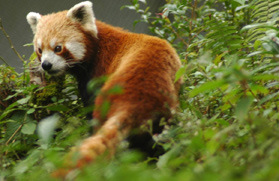
..More about Sikkim Cultural tour.Because of the altitude that vary right from sea level to summits that touch the skies, the flora and fauna naturally covers a wide spectrum. Nowhere in the world in such a small area can one find flora and fauna of all varieties - Tropical to the Alpines. Sikkim's botanical and zoological richness is awe- inspiring, boasting of more than 4000 species of plants and 30% of all the birds found in the Indian sub-continent .
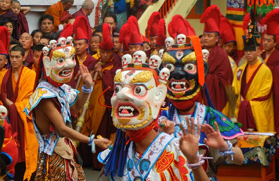
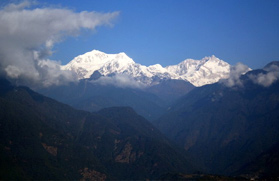
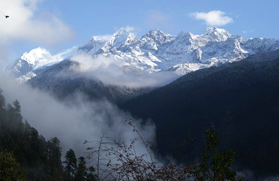
..More about Sikkim Wildlife tour.At this festival the snowy range of Kanchendzonga is worshipped for its unifying powers. This festival also marks the signing of the treaty of brotherhood between the Lepchas and Bhutias. The local deities were invoked to witness the historic occasion. The guardian deity is portrayed by a masked Lama dancer as a fiery red-faced deity wearing a crown of five skulls and riding a snow-lion, a truly colourful spectacle indeed.
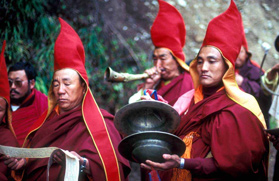
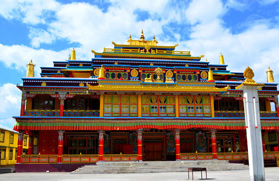
..More about Sikkim Festival tour.Sikkim's near about 200 monasteries or Gompas belonging to the Nyingma and Kagyu order have not only been influencing the cultural heritage and lifestyle of the people, but also demonstrates the ancient rituals in practice. Devoted Lamas robed in red, chant ancient mantras to the rhythm of drums and trumpets while soft lights flicker from decorative lamps placed before statues of the great Guru Padmasambhava.
..More about Sikkim Monasteries tour.Cold Winters in the month of November to February with minimum temperatures dipping to 4 centigrade during January - February. It is between the month of March and early May when sunshine is quite abundant. Though summer is officially from May to October, Sikkim is almost always wet due to the heavy monsoons, with rains at times continuing for days on ends. Longest recorded nonstop rain is 11 days. September to October is Autumn.
..More about Sikkim Weather tour.